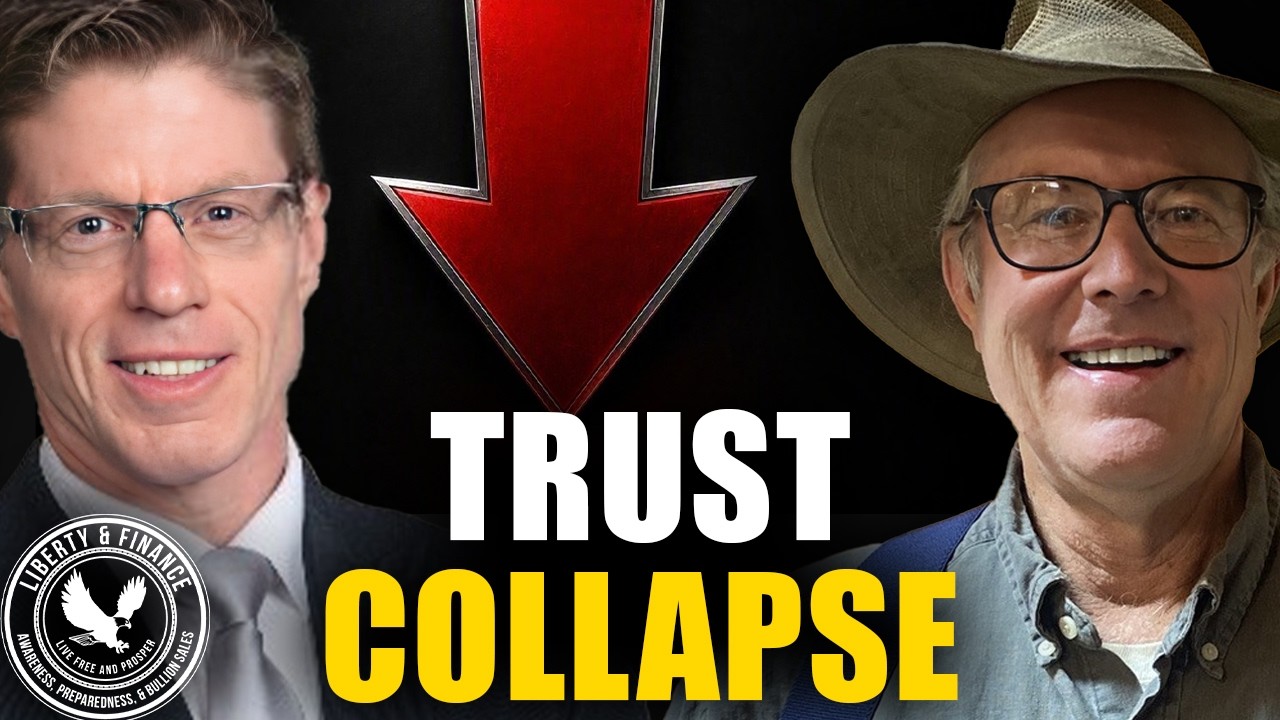
Joel Salatin
Farmer, Author, Lecturer | Polyface Farm | Limited commodity relevance — regenerative agriculture advocate, not a resource investor
"Polyface Farm and the 'beyond organic' rotational-grazing model; featured in The Omnivore's Dilemma and Food, Inc."
Biography
Joel Salatin is an American farmer, author, and lecturer who operates Polyface Farm in Swoope, Virginia. He is not a commodity or mining investor; his public work centers on pasture-based, regenerative livestock production and a critique of the industrial food system. Resource-sector investors have no direct line into his coverage, but his writing is a touchstone for anyone studying land-stewardship, on-farm value-added economics, and the regulatory environment around small-scale agriculture — adjacent themes that occasionally surface in ESG (Environmental, Social, and Governance — non-financial factors used to assess an investment's ethical impact) screens for diversified agribusiness holdings.
Salatin co-manages Polyface Farm with his family. The operation uses rotational grazing — moving cattle, sheep, pigs, and poultry across small paddocks in sequence — and a direct-to-consumer sales model that bypasses commodity supply chains. His track record is the farm itself: Polyface has hosted recurring operations, appeared in Michael Pollan's 2006 book The Omnivore's Dilemma, and was featured in the 2008 documentary Food, Inc. The farm is privately held and does not disclose commodity-market positions.
His approach treats animals, pasture, and customers as a single integrated system. He markets directly to local buyers and on-farm processors rather than into wholesale commodity channels, so there is no AISC (All-In Sustaining Cost — the total cost to produce and sell an ounce or pound of a commodity), NI 43-101 (the Canadian standard for disclosing mineral project scientific and technical information), or resource-estimate framework to evaluate here. For investors, the relevant takeaway is methodological: how a small operation can underwrite capital expenses, manage labor, and price a non-commoditized product. Those mechanics translate loosely to small-cap and royalty-company analysis but do not give Salatin a direct voice on metals, energy, or bulk commodities.
For commodity and mining investors, Salatin's published views offer limited, indirect value: he is a case study in off-commodity value chains rather than a source of resource calls. Readers tracking him should expect commentary on land use, food policy, and decentralized production — not price targets, drill results, or jurisdictional permitting updates. Anyone wiring his appearances into a resource-investor watchlist is likely mis-categorizing the source.
Key Quotes
"It leaves a footprint. It leaves a legacy. To eat with reckless abandon, without conscience, without knowledge; folks, this ain't normal."
— Folks, This Ain't Normal (2011), opening of the book
Key Works
Entrepreneur's guide to starting a farming enterprise.
Critique of industrial food systems and defense of small-scale, pasture-based farming.
Essay collection on land stewardship, animal husbandry, and food freedom, written from a Christian-libertarian perspective.
Disclaimer: Joel Salatin has NOT endorsed this platform and is not affiliated with Pixys in any way.